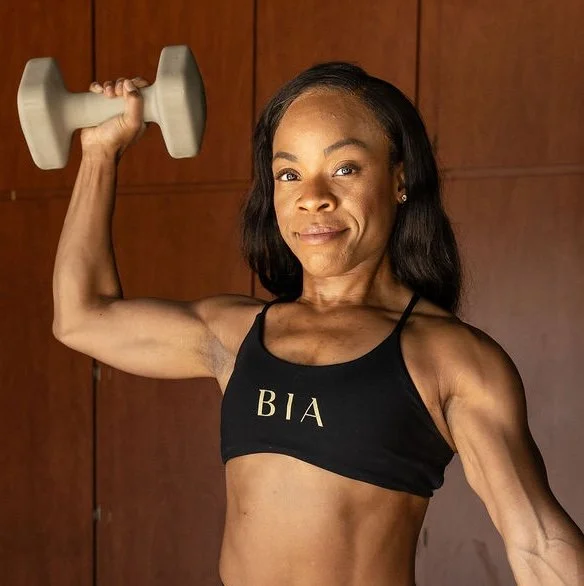
Yes, online personal training can work. At BIA Nutrition, we’ve helped more than 450+ women over 30 work toward their goals through online coaching.
But paying for a program and getting results are two different things.
The women who do well with us communicate, ask questions, try things, and tell us when something isn’t working. We use that feedback to help them build an approach they can actually follow.
That collaboration matters, especially when you’re working full time, raising a family, and already showing up for everybody else. Your fitness plan has to fit into that life.
Here’s what I’ve learned from my own transformation and coaching women through theirs.
Why I Built an Online Coaching Business Backstage on Broadway
I started BIA while working as a swing on Broadway. I was building this business backstage because people started asking what I had done to change my body.
Strength training was part of my transformation. But getting my nutrition aligned with my goals was what finally helped me achieve the changes I had been working toward.
That experience shaped how I coach.
A workout is one part of your week. How you eat, sleep, handle stress, and manage your schedule affects how you follow through during the rest of it.
Today, our coaches are certified personal trainers and certified nutrition coaches, with additional certifications across the team in areas including mindset. We built BIA around helping women put all those pieces together.
What Online Personal Training Actually Looks Like at BIA
Online personal training can mean different things depending on the service. Before signing up, you should understand exactly what support you’ll receive.
At BIA, coaching includes training, nutrition, regular feedback, and help navigating the situations that make consistency difficult.
Weekly Check-Ins and Personal Video Feedback
Each week, clients submit a check-in with their biofeedback, progress photos, and current weight.
Their coach sends back a personal video review covering:
What went well that week.
What challenges came up.
What their progress and feedback are telling us.
Any changes to their plan.
The game plan for the coming week.
Sometimes we need to adjust nutrition or training. Sometimes the biggest issue is a stressful workweek or a routine that keeps falling apart by Thursday.
Those conversations belong in coaching, too. We need to understand what’s happening in your life to help you execute your plan.
Strength Training That Fits Your Schedule
Our clients typically have two to four strength training workouts per week, depending on their needs, goals, and availability. They also have movement goals, such as daily steps.
We look at what you can realistically commit to and build from there.
If you can consistently train twice a week, that gives us a useful starting point. Assigning four workouts that you struggle to complete doesn’t automatically make your program better.
Nutrition Guidance for Your Current Goal
Clients typically track their food so we can understand their intake and work toward the targets for their current phase.
That also gives us opportunities to work through old food rules.
You may have spent years believing you should always eat less, avoid certain foods, or follow the same approach that worked in your twenties. Coaching gives us a place to examine those beliefs and help you learn how to eat for your current body, goals, and activity.
The goal is to understand what you’re doing and why, so you can make informed decisions.
Support Between Check-Ins
We also offer support calls throughout the week, a community chat, and occasional challenges to help clients stay engaged.
You have somewhere to bring the question that comes up between workouts or the situation you’re struggling to navigate.
And yes, you can message us. If that message comes in at 3 a.m., we’ll get back to you in the morning. Coaches need sleep, too.
Sarah’s Story: Two Workouts a Week and a Plan That Fit Her Life
Sarah C. was working 50 to 60 hours a week while also being a wife and mom.
She didn’t have time to live in the gym or spend all day preparing meals. We needed to build a plan that worked with her schedule.
We started with two strength training days per week and focused heavily on nutrition, with food tracking at the forefront.
Within her first four months, Sarah lost 15 pounds and dropped four dress sizes.
She then continued through our Odyssey Mastery Method, including Sculpt and Recharge phases. She has now lost 26 pounds and is focused on building muscle and becoming her strongest self.
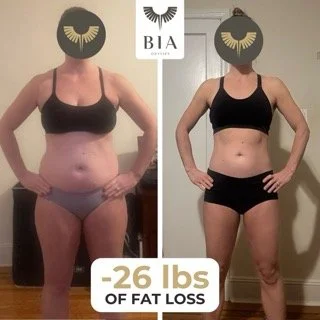
What stands out to me is how differently she experiences her day.
She looks forward to her workouts. They give her energy. She’s no longer dragging through the middle of the day or showing up to meetings with the brain fog she described before. Her confidence has grown tremendously.
She found an approach she could sustain alongside her career and family.
Sarah’s results are her individual experience, rather than a promise of what everyone will achieve. Her story shows how we can build meaningful progress around someone’s actual availability.
How Can an Online Coach Check Your Form?
This is a reasonable concern. You want to know that you’re doing the exercises correctly and making good use of your time.
At BIA, clients send in exercise videos weekly for form checks. That lets us review how they’re executing movements and give specific feedback.
We also use those videos to help guide progression. We may see an opportunity to improve technique, adjust an exercise, or help someone recognize that they have more capacity than they realize.
Training effort can be difficult to judge on your own. Video feedback gives us more information to work with than a completed workout log alone.
There are also situations where hands-on instruction is useful. If you want someone beside you to show you how to set up and use unfamiliar gym machines, an in-person trainer may be a better starting point. That said, there have been many clients who come to us experiencing gym anxiety or are unsure of what to do. Within a couple of weeks, they are confidently navigating the gym like they've been there for years.
You can also combine that initial instruction with ongoing online coaching.
Online Coaching vs. In-Person Training: Which Makes More Sense?
In-person training gives you scheduled, face-to-face instruction and immediate feedback during your session. Some people value that structure or need help becoming comfortable in a gym.
Online coaching can be a strong fit when you want flexibility and ongoing support with the habits surrounding your workouts.
The scope of either service depends on the coach. Some in-person trainers also provide nutrition and lifestyle support, while some online programs offer very little individual guidance.
My concern is when someone expects a few training sessions each week to address everything that’s keeping them stuck.
You might be working hard in the gym while still needing help with food choices, consistency, sleep, or managing a demanding schedule. Those are areas we address at BIA.
Before choosing either option, ask what the coaching actually includes.
Who Gets the Best Results With Online Coaching?
The first thing I look for is communication.
You don’t need to arrive knowing everything. You do need to be willing to let your coach see what’s happening.
You’re Willing to Be Honest
Tell us when you’re struggling with tracking, avoiding an exercise, or finding the plan difficult to follow.
That information helps us coach you. A check-in that makes everything sound perfect can hide the exact issue we need to work through together.
You’re Open to Learning
The approach you’ve followed for years may need to change.
That can mean questioning old food rules, trying a different training schedule, or learning how to fuel yourself for your current goal.
You need enough openness to try something, reflect on the experience, and make adjustments.
You Participate in the Support Available
We often see clients benefit from engaging with the community: asking questions, answering someone else’s question, and sharing what they’re working through.
When you feel connected to other people doing the work, it can become easier to keep showing up for yourself.
You Make Room for Your Own Needs
Many of the women we coach are used to putting everyone else first.
Making time for a workout, completing a check-in, or asking for support may feel unfamiliar at first. But your needs need a place in your schedule, too.
You don’t have to become perfectly consistent before starting. You need to be willing to practice following through.
Why Online Personal Training Sometimes Doesn’t Work
A coach has responsibilities. We need to give clear guidance, respond to feedback, and adjust an approach that isn’t working.
The client also has responsibilities. Progress requires action between check-ins.
If you receive a plan but never communicate, ask for help, or attempt to follow it, your coach has very little information to work with.
And if a coaching service simply hands you a meal plan and leaves you to figure out the rest, I believe it’s missing a major part of what makes coaching valuable.
Life will get complicated. You’ll have weeks that go differently than expected. The useful part of coaching is having someone help you work through those situations and keep learning.
What to Ask Before Hiring an Online Personal Trainer
Before you commit, ask:
What qualifications and experience do you have?
Have you coached people with goals and schedules similar to mine?
How will you personalize my training and nutrition?
How often will you review my progress?
Can I submit videos for exercise feedback?
What support is available between check-ins?
What happens when I’m struggling to follow the plan?
How will you help me build skills I can use independently?
Pay attention to how clearly the coach answers. You should understand what you’re investing in and what participation they expect from you.
Can Online Personal Training Work for You?
If you’re willing to communicate, learn, and put the plan into action, online coaching can be an effective way to work toward your goals.
You can start with a busy schedule. You can start with questions. You can start with two workouts a week, as Sarah did, if that’s what fits your life.
At BIA, we help you build from that starting point through training, nutrition, feedback, and support.
You bring an honest picture of your life and a willingness to take action. We work together on what comes next.